Impact Report Fiscal Year
2025 - 2026
Z3 Project: An Initiative of the Oshman Family JCC
An initiative of the Oshman Family JCC, Z3 is a theory-driven effort to strengthen Jewish public life by developing ideas, training leaders, and partnering with JCCs and other trusted institutions to help communities lead, shape, and take greater ownership of their institutions and shared future.
JCCs as Jewish Public Squares
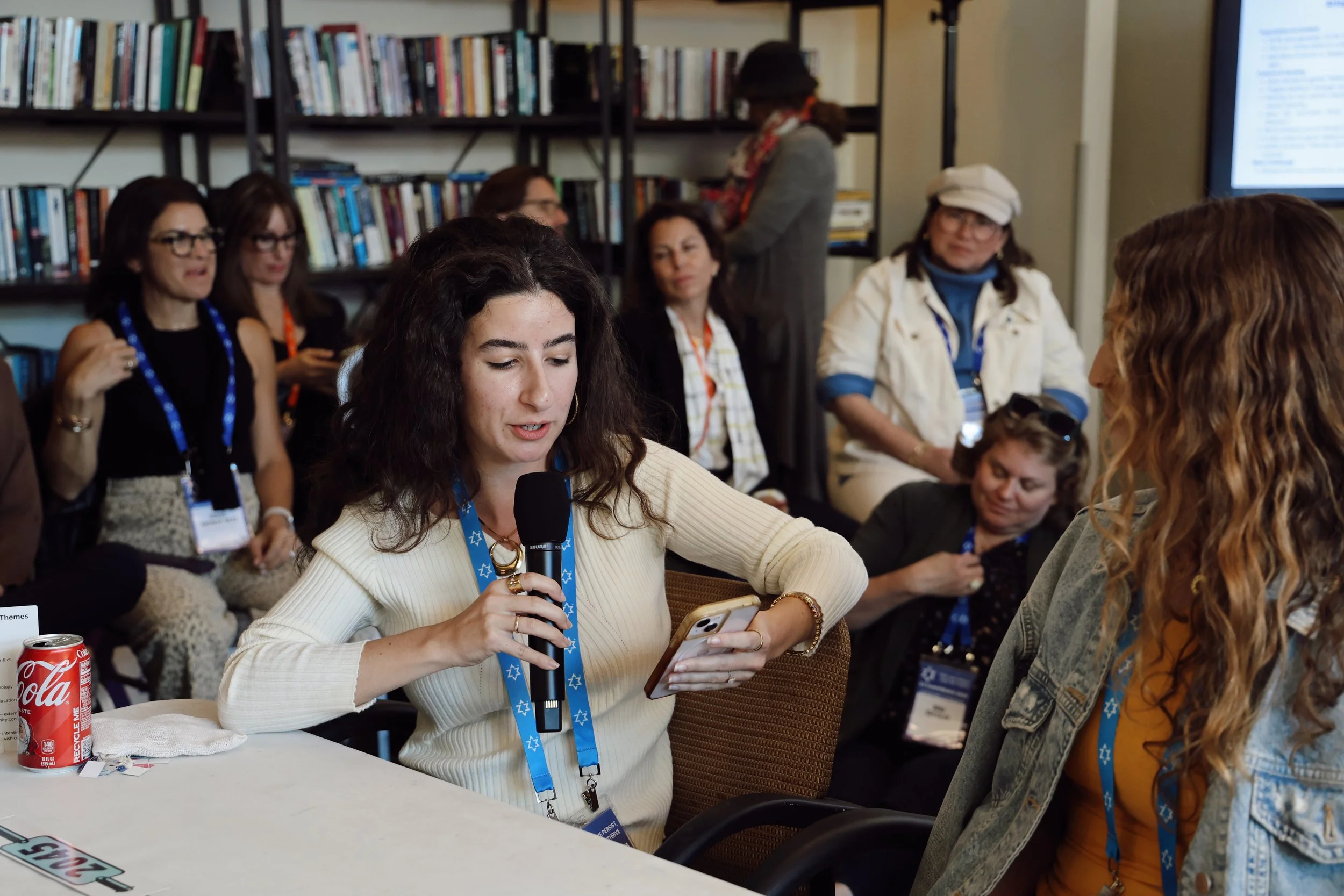
Z3’s response is institutional. JCCs are uniquely positioned to serve as genuine local Jewish public squares because they are multigenerational, nondenominational, culturally Jewish and broad enough to gather people across political differences. They bring Jews together through the ordinary rhythms of life: preschool, camps, fitness, volunteering, lectures, culture and community. That breadth lowers defenses, strengthens belonging and creates the conditions for fuller Jewish engagement.
This is also why Z3 focuses its work through Israel. Israel is the other major center of contemporary Jewish life and the primary arena in which Jewish sovereignty is lived rather than imagined. It also remains one of the few subjects capable of convening a broad and genuinely diverse Jewish public. For Z3, the goal is not only to discuss Israel, but to use the arena of Israel to rebuild forms of Jewish public life that are more serious, participatory, pluralistic and grounded in agency. For a JCC to own that work, rather than outsource it, is itself an expression of sovereignty-minded Jewish life.
Ideas, Institutions and Public Experience
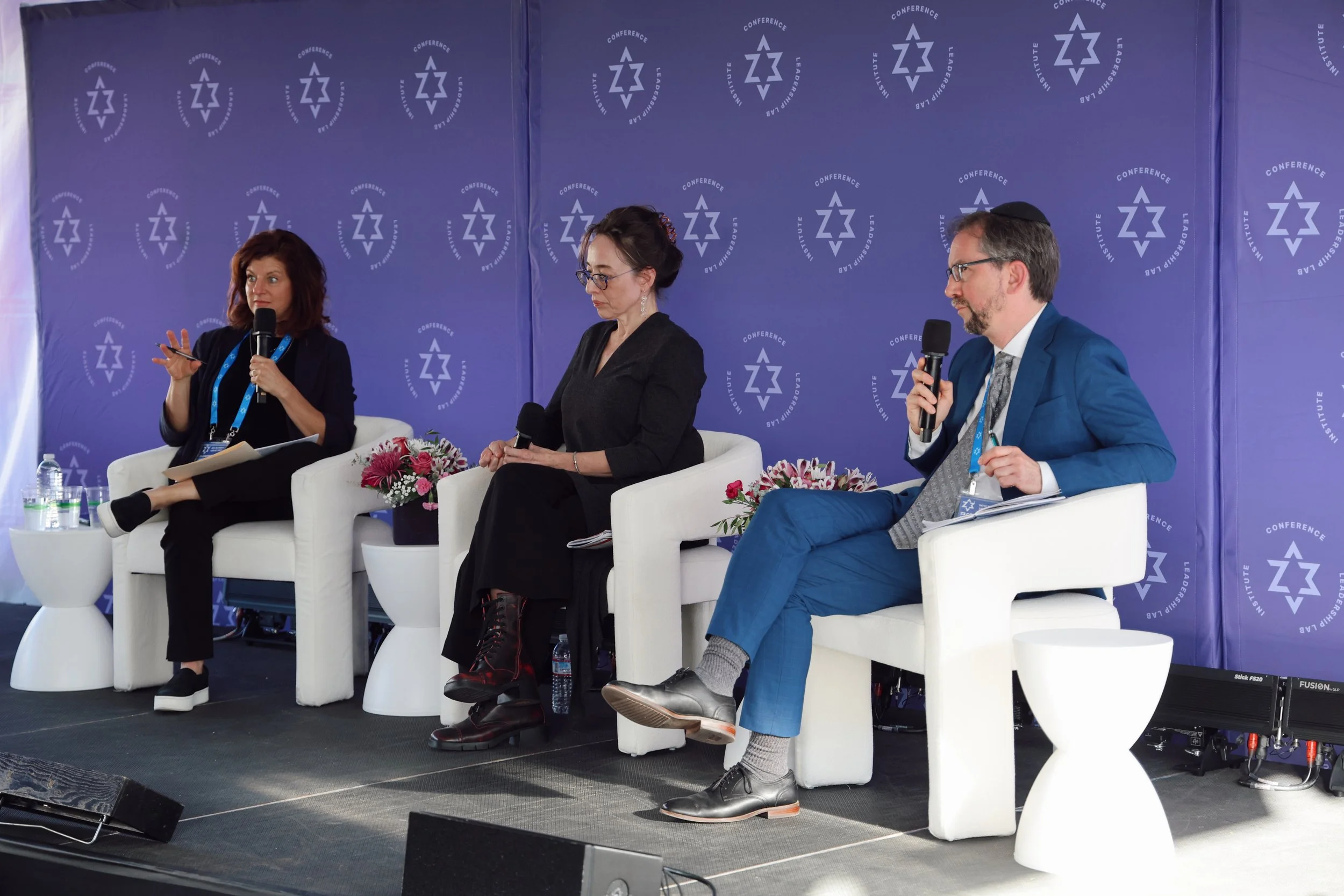
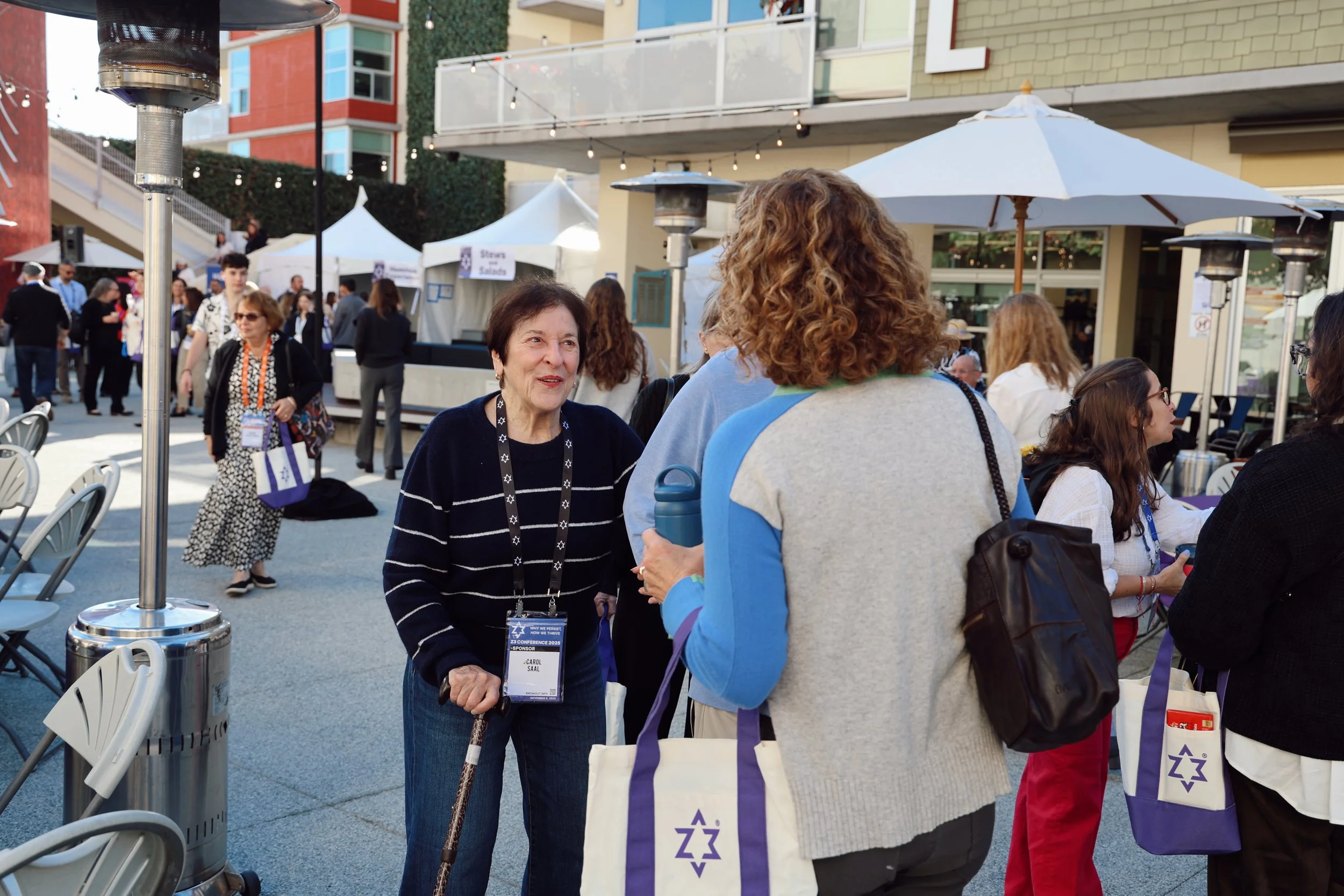
Z3 works through three reinforcing layers: ideas, institutions and public experience. It develops ideas through books, essays, podcasts, Substack publications, briefings and other forms of intellectual infrastructure. It works with professionals and institutions through the Leadership Lab and ongoing JCC partnerships. It also creates public-facing communal experiences, including conferences, that test whether those ideas and institutional investments are taking root in local communities.
This work is guided by three core principles: unity without uniformity, engaging as equal partners and diversity of voices within a shared Jewish conversation.
Within the Oshman Family JCC, Z3 does not serve as the sole creator of Jewish life or Peoplehood work. Its deeper role is to help infuse these ideas across the institution by supporting, teaching, consulting and building capacity so that multiple departments can carry them in their own settings. The strongest sign of local success is that this disposition becomes part of the JCC’s organizational DNA, carried across departments and embedded in its daily life. The same logic shapes Z3’s national work: helping JCCs internalize a stronger commitment to Jewish agency, public-square leadership, and shared responsibility.
From Leadership Development
to Institutional Readiness
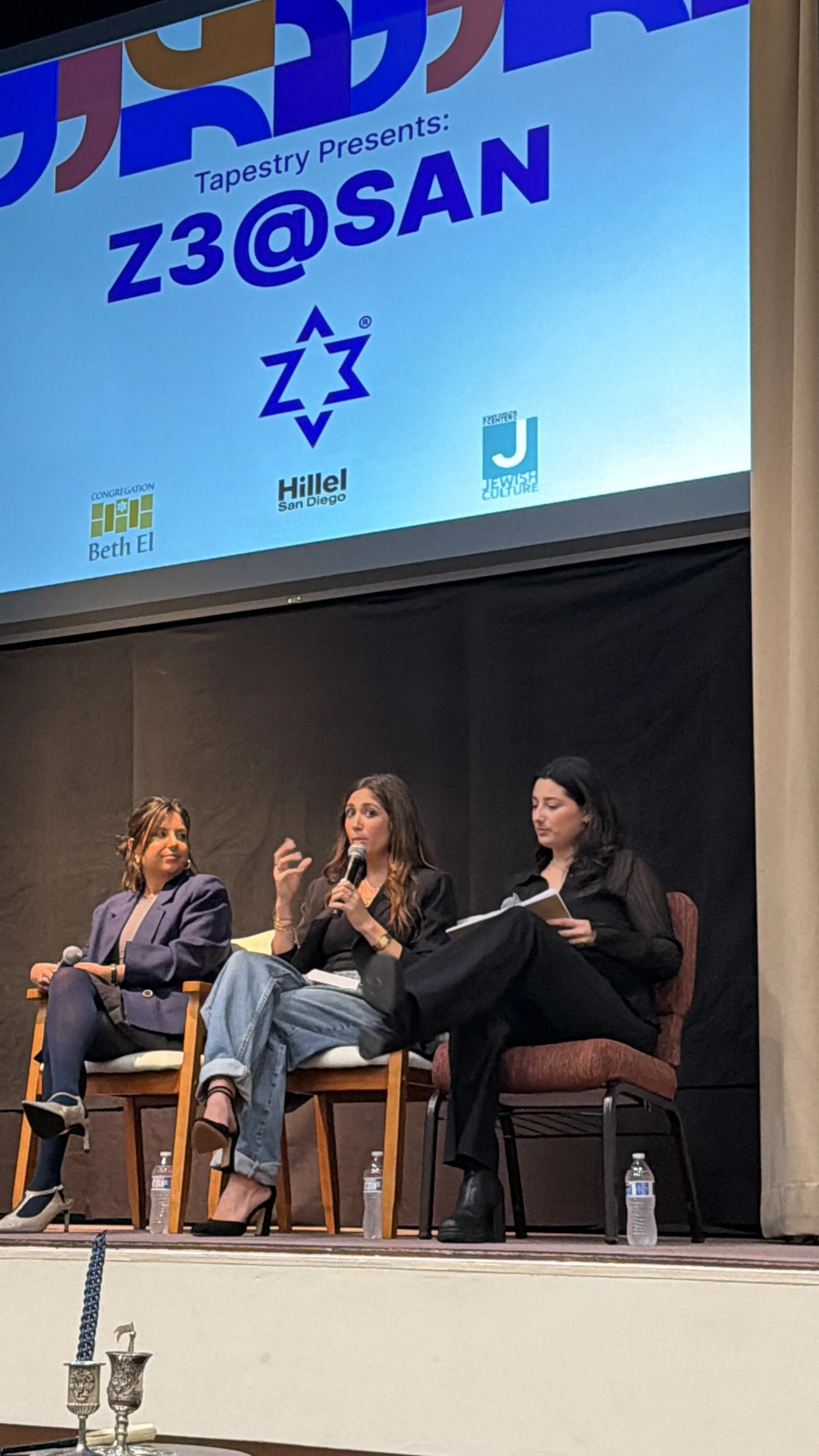
The first measurable point of intervention in 2025 was leadership and institutional readiness. In November 2025, the Leadership Lab brought together 91 professionals from 27 JCCs, with an 81% post-conference survey response rate. Among respondents, 81% rated the experience Excellent or Exceptional, 76% left highly inspired to act and 73 of 74 said the Lab contributed to their thinking about Israel and Jewish Peoplehood.
Participants left with plans tied directly to their professional roles. Executives began initiating strategic conversations about Israel and Peoplehood. Early childhood educators reconsidered classroom libraries and how children first encounter Israel and Jewish identity. Camp leaders examined how Israeli staff are prepared, welcomed and woven into camp culture.
Just as importantly, the Lab clarified what makes institutional change more likely. Among participants from JCCs with a strategic plan in place or under development, 67% felt equipped to identify concrete opportunities to integrate Israel and Peoplehood into programs or operations. That dropped to 50% among those without a plan and to 25% among those unsure of their institution’s direction.
The clearest predictor was not title or seniority, but whether the institution had already begun the conversation. Institutional readiness, more than individual role, drives meaningful implementation. This underscores the importance of investing not only in individual leaders, but also in the broader organizational ecosystem that enables them to act.
Moving Israel and Peoplehood
into Institutional Life
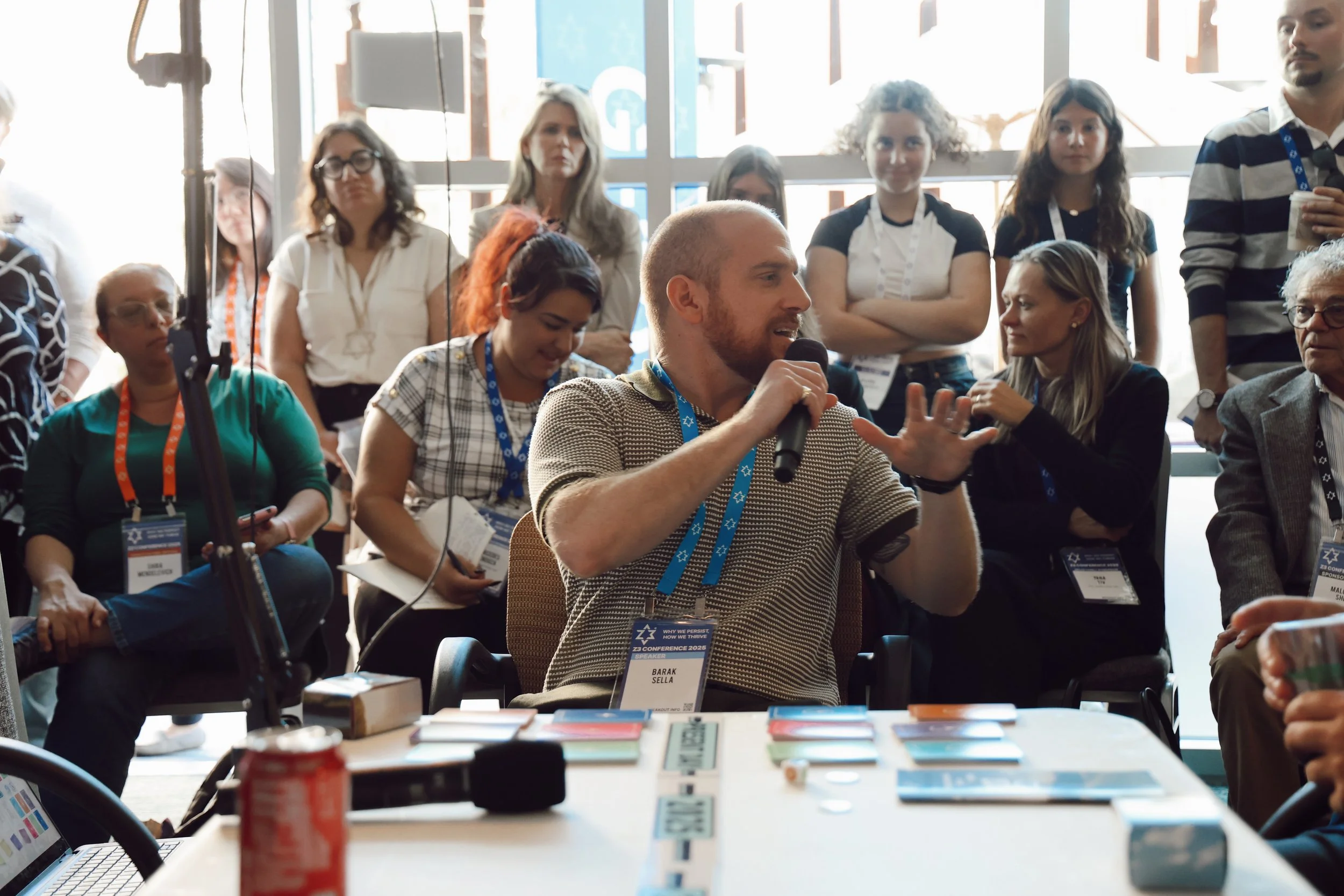
The conference is one visible expression of Z3’s work, but it does not represent its full scope. The more significant impact lies in the deeper shift Z3 seeks to advance: moving Israel and Jewish Peoplehood from occasional programming into the core of institutional life, where they can shape mission, culture, staffing, public space and everyday communal experience.
This shift is reflected not only in programs, but also in the capacities that sustain them: a culture of open discussion, greater clarity about mission and values, intentional resource allocation, ongoing professional development and the integration of Israel and Peoplehood into daily organizational life.
Belonging, Learning and Action
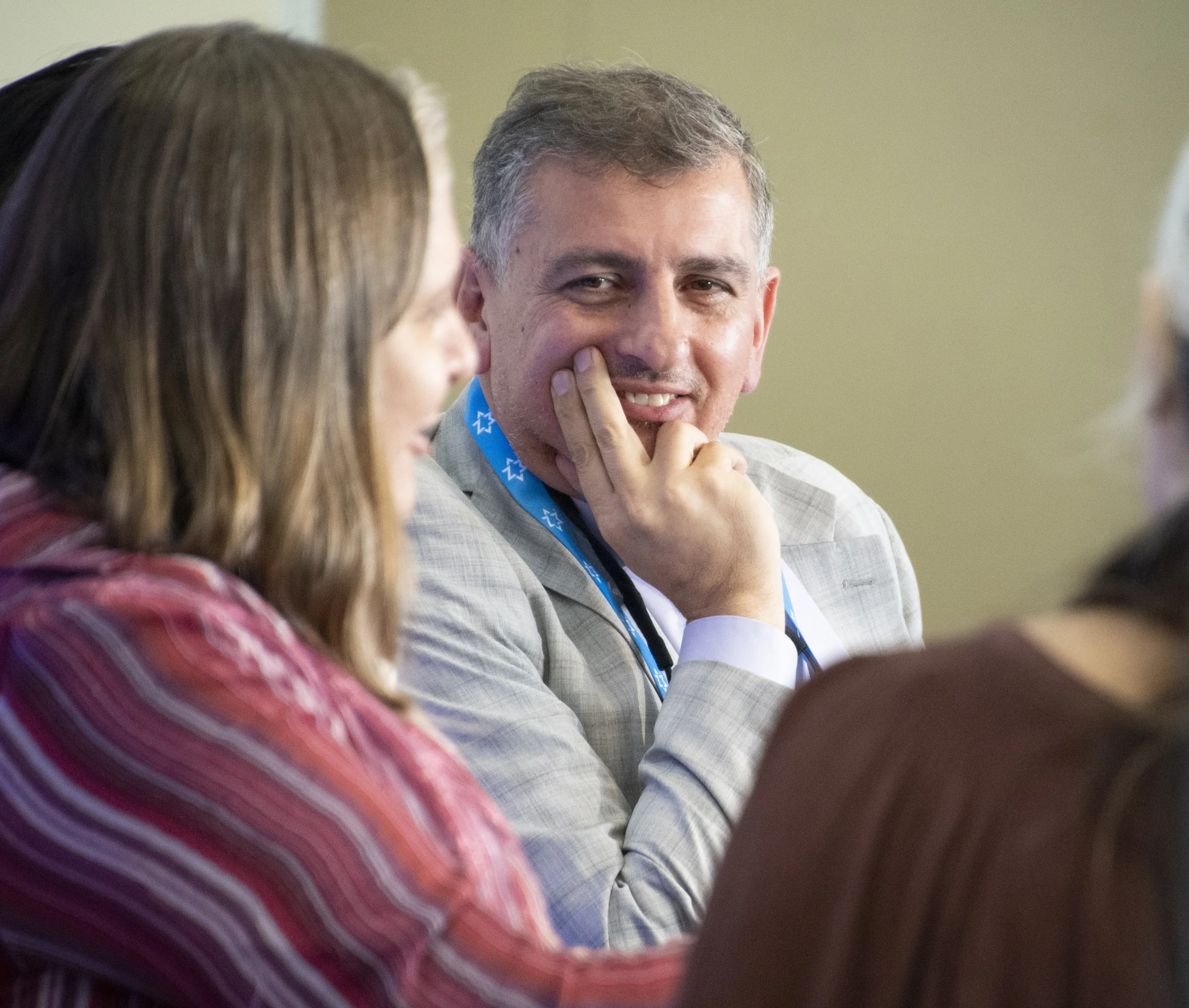
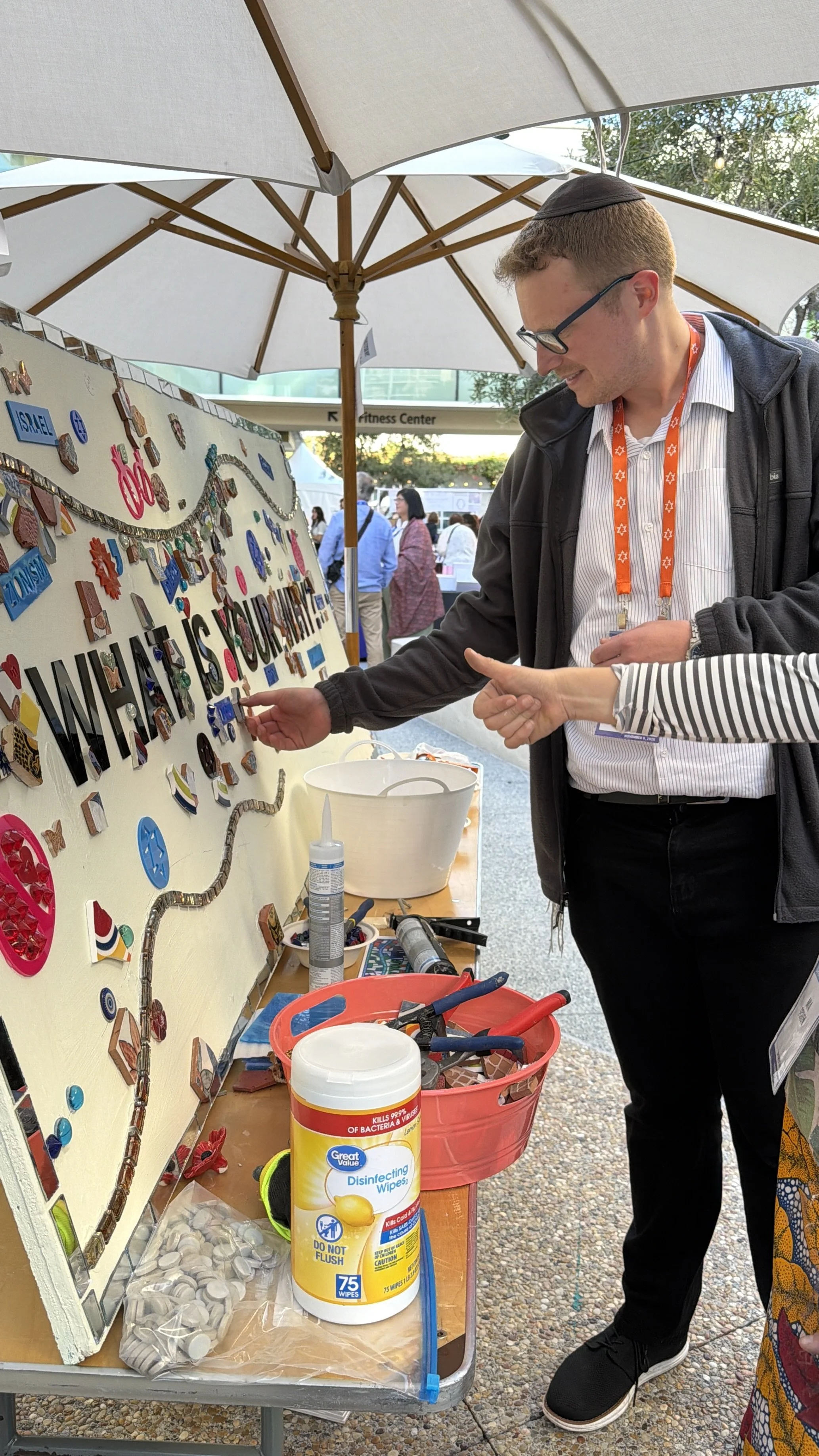
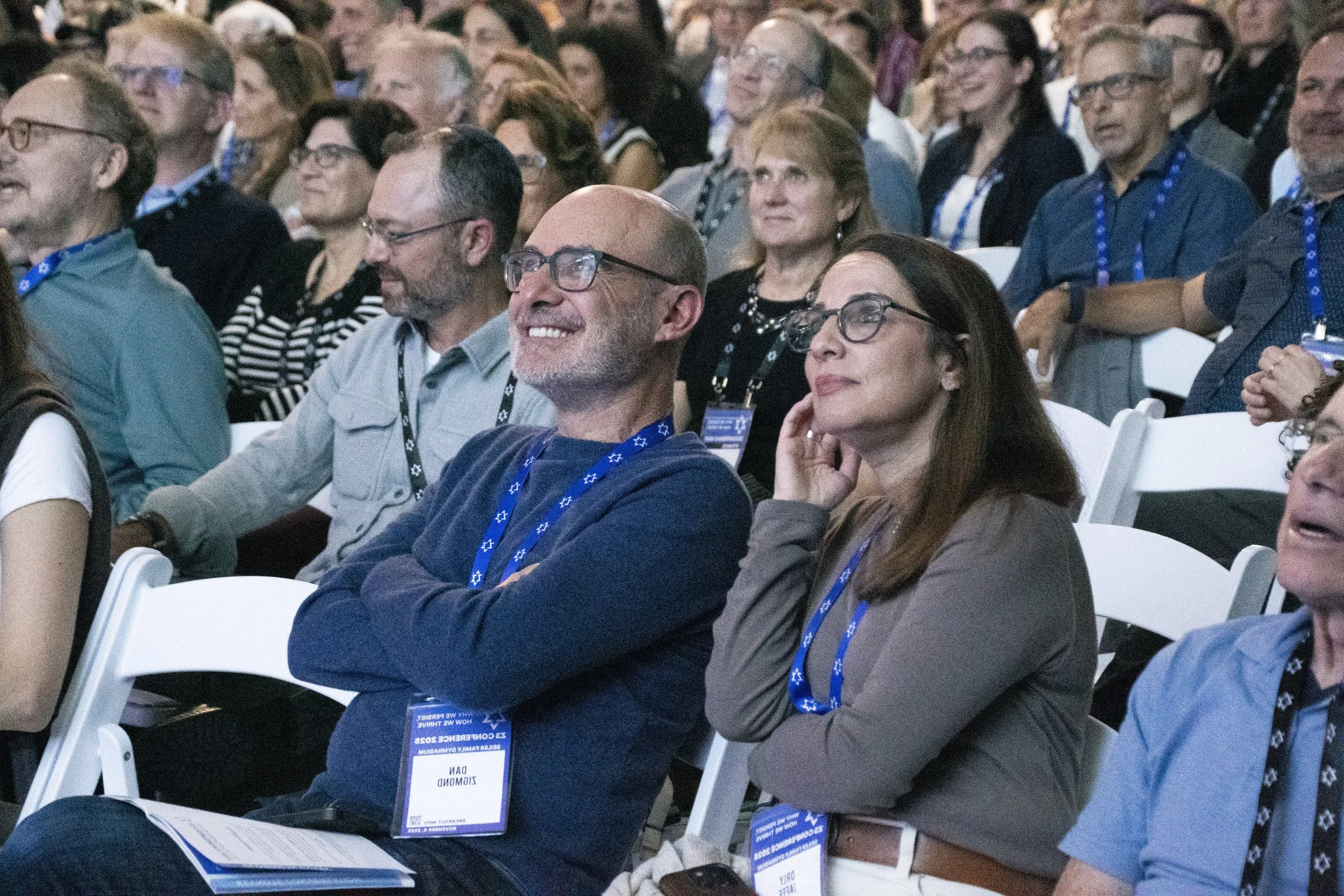
Z3 conferences are intentionally designed around a sequence of belonging, learning and action. The goal is not simply to convene participants, but to create an experience in which a strong sense of belonging enables meaningful engagement, which in turn strengthens readiness to act.
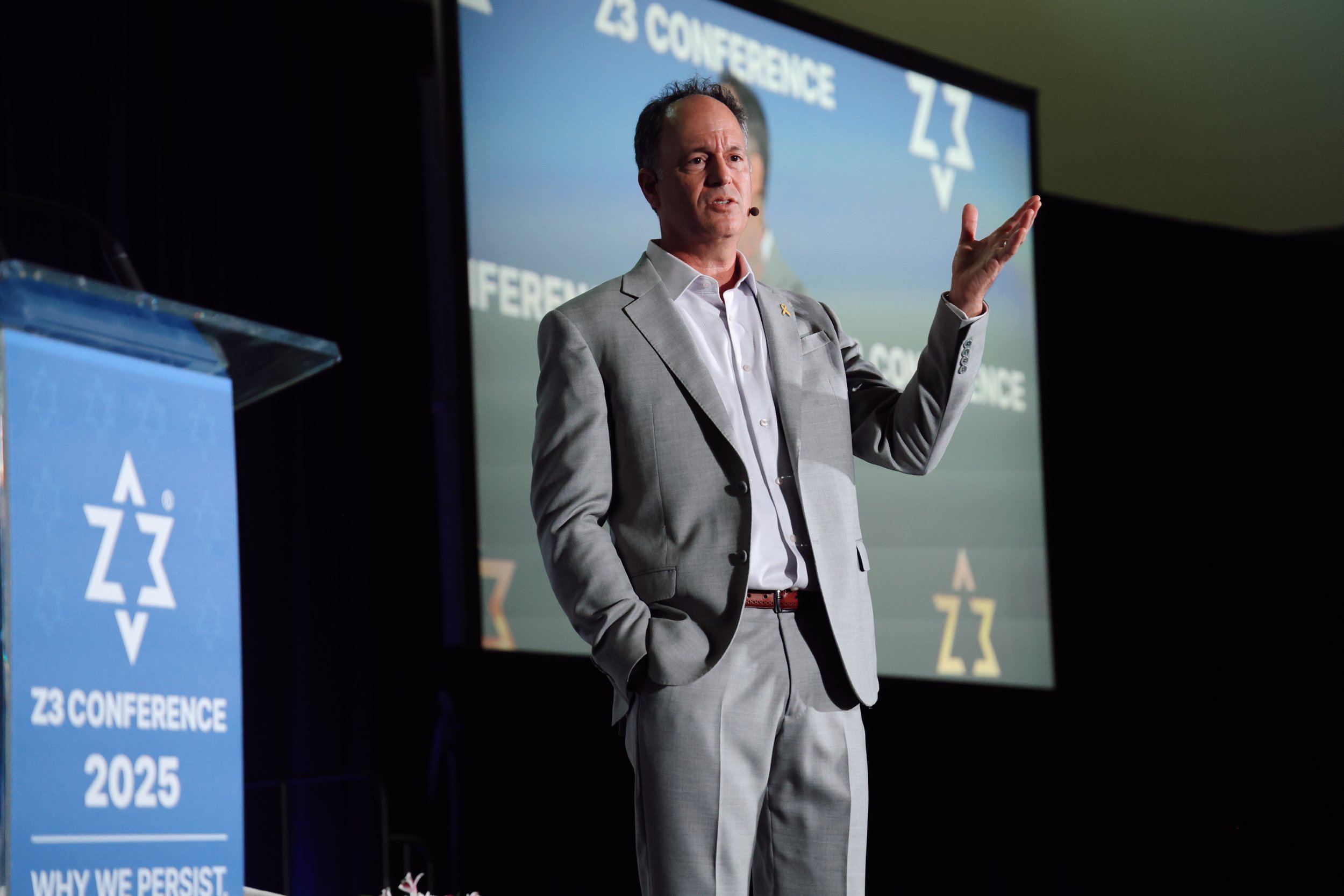
At the flagship Palo Alto conference in 2025, approximately 1,500 people participated in person. Ninety-five percent rated the experience positively, the Net Promoter Score was +55, and 86% left inspired to take action. Among those who encountered a view with which they disagreed, 82% said the disagreement contributed positively to their thinking.
These results capture what Z3 is trying to produce at scale: a communal experience that combines belonging, pluralism, serious reflection and readiness to act.
The pattern is also visible across partner communities. In Austin, 86% rated the event Excellent or Exceptional, and 95% supported future Z3 programming. In Miami, 70% rated the event Excellent or Exceptional, and 88% supported future programming. In Tucson, 97% wanted Z3 to continue the following year, while 81% reported at least one positive belonging outcome.
Across communities with different histories, scales, and institutional contexts, a consistent pattern is emerging: Z3 strengthens belonging, deepens reflection and increases readiness to engage.

Evidence of Institutional Adoption
Repeat production is itself a form of evidence. Austin has already hosted Z3 twice and is working toward a third gathering.
Miami’s trajectory reflects a deeper pattern of institutional uptake. Through its engagement with Z3, local leadership recognized the need for sustained adult Israel and Peoplehood engagement and secured internal support and resources for a new staff position. The community also developed public-facing Z3 programming that is returning for a second year.
These developments suggest more than successful events. They indicate local ownership, institutional investment and a willingness to deepen the work over time.
Z3 should therefore be understood not as a conference brand, but as a theory-driven effort to strengthen Jewish public life in North America. It seeks to drive change across ideas, professionals, institutions, and communities simultaneously. Its central wager is that if JCCs can become more confident, pluralistic, sovereignty-minded Jewish public squares, North American Jews will be better equipped not only to engage Israel, Zionism and Jewish Peoplehood with greater depth, but also to take greater ownership of the collective Jewish future itself.
Thank you for being a part of this work!
This year has been a year of meaningful growth for Z3. Together with our partners, participants, JCCs, fellows and supporters, we've created spaces for deeper conversations, stronger leadership and stronger Jewish communities across North America.
Thank you for helping make this work possible. Every conference, conversation, partnership and act of leadership contributes to a stronger, more connected Jewish future.
We're grateful for all we've accomplished together—and even more excited for what's ahead.